
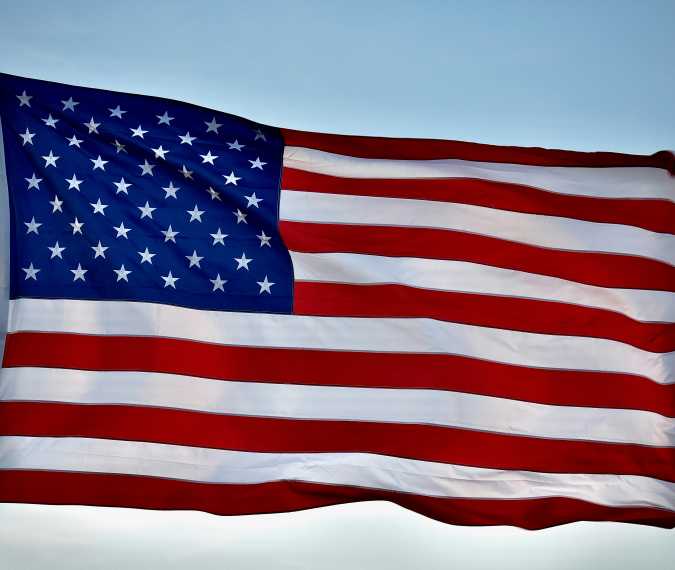
Red, white, and blue: How to properly display and honor the American flag for the 4th of July
Every Independence Day, communities across the United States display the Stars and Stripes as they celebrate the nation's history and traditions. As Americans mark the Fourth of July, knowing the proper way to display the flag helps ensure it is treated with the respect it deserves.
When to Fly the American Flag
The American flag is traditionally raised at sunrise and lowered at sunset. If it remains on display after dark, it should be illuminated throughout the night.
Weather conditions also matter. Unless a flag is specifically designed for all-weather use, it should be taken down during rain, snow, or strong winds to help prevent damage.
The flag is especially appropriate on federal and state holidays, at public buildings, in schools on class days, and at polling locations on election days.
When raising the flag, do so quickly and confidently. When lowering it, the process should be carried out slowly and respectfully.
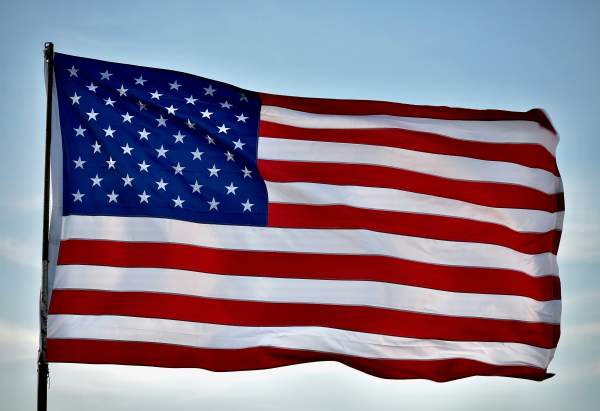
Photo: unsplash.com/@cristina_glebova
Displaying the Flag During Parades
When the American flag appears in a parade alongside other flags, it should be positioned on the marching right—the flag's own right—or placed at the front and center of the procession.
For parade vehicles and floats, the flag should be attached to a staff or suspended so it hangs naturally. It should never be draped over the exterior of a car, truck, or parade float.
Proper Placement Alongside Other Flags
If two flags are mounted on crossed poles against a wall, the U.S. flag belongs on its own right side, facing the viewer's left. Its pole should also be positioned in front of the other flag's pole.
When several flags are displayed together on separate poles, the American flag should be placed in the center and flown higher than the others.
If multiple flags share the same halyard, the U.S. flag must always be at the top. A rare exception exists for Navy chaplains' church services held at sea.
Hanging the Flag on Buildings or Walls
When displayed without a pole, the flag should hang flat or be suspended so it can fall freely without bunching or folding.
If the flag is stretched horizontally above a street, the blue field of stars—known as the union—should face north or east, depending on the direction of the roadway.
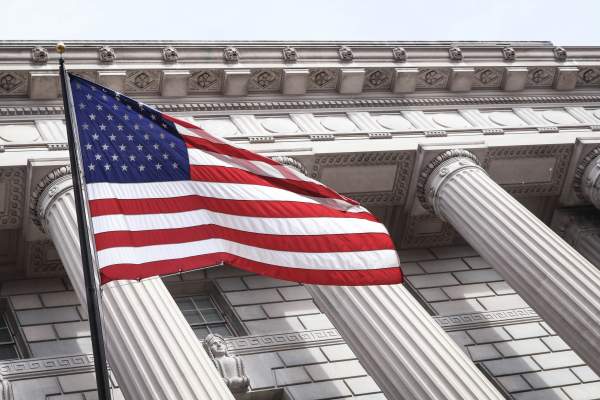
Photo: unsplash.com/@bmowinkel
Displaying the Flag from a Building
When the flag extends outward from a building on a staff, the union should appear at the top of the staff unless the flag is intentionally being flown at half-staff.
If the flag is raised from a building to an outdoor pole using a rope, it should always be extended with the union leading.
Displaying the American flag correctly is a simple yet meaningful way to honor the country's heritage and show respect for one of its most recognizable national symbols during Independence Day celebrations and throughout the year.